

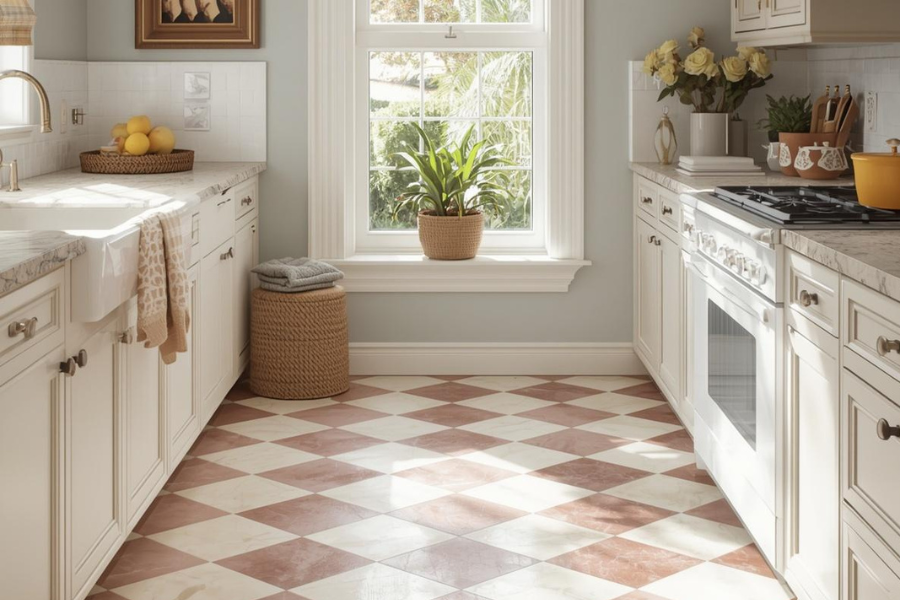
Tile is a staple of the Florida lifestyle. It’s cool to the touch, easy to sweep, and perfectly suited for our coastal environment.
However, many homeowners in Naples and Fort Myers overlook the most vulnerable part of their floor: the grout.
At Hessler Floor Covering, we’ve been the region’s tile experts for over 70 years. One of the most frequent maintenance questions we encounter is whether professional sealing is truly necessary.
The Science of the Pore
Most grout is cement-based, which means it is naturally porous.
Think of an unsealed grout line like a hard sponge; it is designed to hold your tiles in place, but it will also "drink" any liquid it encounters.
Whether it’s dirty mop water, a dropped glass of red wine, or simple Florida humidity, unsealed grout will eventually discolor and harbor bacteria.
Should You Seal Your Tile Floors?
3 Times When Sealing is Essential
New Installations: Every new tile floor should be sealed after the grout has fully cured. This ensures your "Day One" look lasts for years.
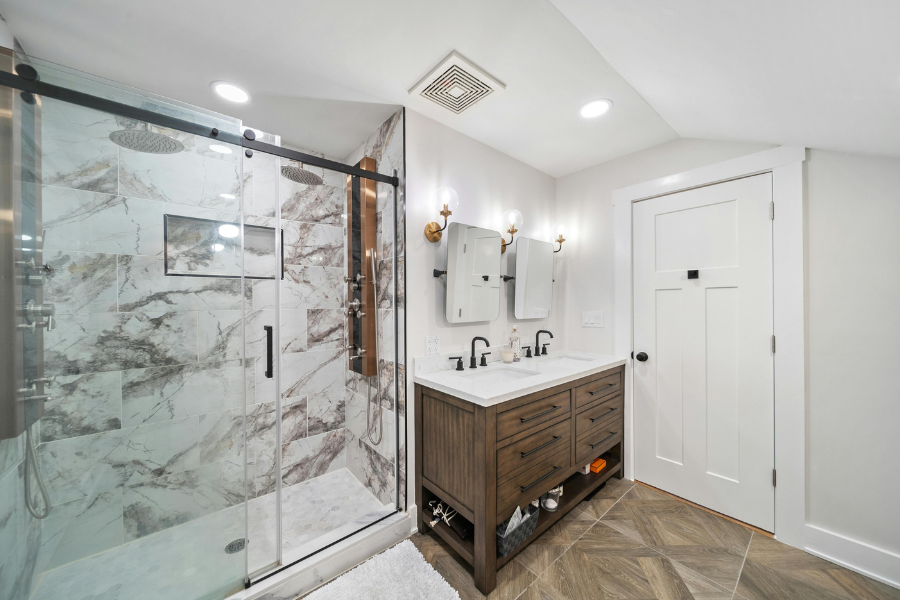
High-Moisture Areas: In bathrooms and laundry rooms, sealing is your primary defense against mildew.
Natural Stone: Unlike glazed ceramic or porcelain, natural stone tiles (like travertine or marble) are porous and require their own specialized sealers to prevent permanent staining.
Choosing the Right Defense: Types of Tile & Grout Sealers
In the Florida climate, where moisture and sand are constant factors, understanding these three primary categories is essential for protecting your investment.
1. Penetrating (Impregnating) Sealers
This is our "gold standard" recommendation for most Southwest Florida homes. Unlike topical coatings, penetrating sealers soak deep into the pores of the grout and stone, bonding from the inside out.
The Look: It is virtually invisible. It does not change the color or the sheen of your tile.
The Benefit: It allows the material to "breathe," which is crucial for homes built on concrete slabs where vapor transmission can occur. It provides excellent protection against oil and water-based stains without making the floor slippery.
2. Enhancing Sealers
If you have natural stone—such as tumbled marble, slate, or travertine—you may want to highlight the rich, organic colors within the material. Enhancing sealers are a type of penetrator that darkens the stone to create a "wet look" without the high-gloss shine.
The Look: It deepens the natural tones, making the "veining" in the stone pop.
The Benefit: It offers the same heavy-duty protection as a standard penetrating sealer while providing a custom, high-end aesthetic often found in luxury Naples estates.
3. Topical (Film-Forming) Sealers
Topical sealers sit on top of the tile and grout, creating a physical film or barrier. These are often used when a homeowner wants to add a specific level of gloss to a duller surface.
The Look: Available in matte, semi-gloss, or high-gloss finishes.
The Benefit: They provide a great "sacrificial" layer that takes the brunt of foot traffic and wear. However, they may require more frequent reapplication as the film can wear down or peel in high-traffic areas like entryways in Port Charlotte or kitchen "work triangles."
How Often Should You Seal Your Tile Flooring?
At Hessler Floor Covering, we believe in a "proactive, not reactive" approach to home care. The longevity of your protection depends on foot traffic, cleaning habits, and the type of sealer used.
As a general rule for Southwest Florida homes, we recommend the following schedule:
High-Traffic Areas (Entryways, Kitchens, Mudrooms): Every 1 to 2 years. These areas see the most abrasion from tracked-in sand, which can act like sandpaper on your sealer.
Low-Traffic Areas (Guest Bedrooms, Formal Dining): Every 3 to 5 years.
Wet Areas (Bathrooms, Showers): Every year. Constant exposure to soaps and moisture requires more frequent attention to prevent mildew from taking hold in the grout.
The "Water Drop" Test:
If you aren't sure if your sealer is still working, try this simple test: Place a few drops of water on your grout line.
If the water beads up and stays on the surface, your sealer is still active. If the grout darkens and the water soaks in within a minute, your floor is unprotected and ready for a fresh application.
Consult the Tile Experts at Hessler Floor Covering in Southwest, Florida
To answer your question: Should I Seal My Tile? - the short answer is YES. Now that we’ve established that sealing your tile flooring is a necessary step in ensuring the health and look of your tiles, it’s important to make sure you select the correct tile sealer for your application.
If you have any questions, concerns, or you are looking for new tile flooring for your Naples, FL home, give us a call or stop in. We can point you towards the best fits for your home and application.
Call or visit Hessler Floor Covering today! Request a FREE ESTIMATE to get started.
Our Service Areas: Southwest Florida including Fort Myers, Naples, Bonita Springs, Estero, Punta Gorda, Port Charlotte, and Cape Coral
Punta Gorda, FL Flooring Store
Address: 261 W Marion Ave, Punta Gorda, FL 33950
Phone: (941) 564-0151
Mon-Fri 8AM - 6PM
Sat 9AM - 5PM
Sun 1PM - 5PM
Fort Myers, FL Flooring Store
Address: 12551 S Cleveland Ave, Fort Myers, FL 33907
Phone: (239) 208-5118
Mon-Fri 8AM - 6PM
Sat 9AM - 5PM
Sun 1PM - 5PM
Naples, FL Flooring Store
Address: 6000 Trail Blvd, Naples, FL 34108
Phone: (239) 330-6505
Mon-Fri 8AM - 6PM
Sat 9AM - 5PM
Sun 1PM - 5PM
Tile Sealing Frequently Asked Questions
Q: Does porcelain tile even need to be sealed?
A: Modern glazed porcelain is essentially non-porous and does not require sealing. However, the grout surrounding that tile is almost always porous. In these cases, we recommend a "grout-only" application of a penetrating sealer to prevent those lines from turning dark over time.
Q: Are water-based sealers as good as solvent-based ones?
A: Technology has come a long way since we opened in 1951. Today’s premium water-based sealers are highly effective, emit fewer odors (VOCs) during application, and are generally safer for the environment and your family. For most residential applications in Fort Myers, a high-quality water-based penetrating sealer is our top choice.
Q: Will sealing my tile make it waterproof?
A: It makes the surface water-resistant. While it buys you significant time to clean up a spill before it stains, no sealer makes a floor 100% waterproof forever. Think of it as an "insurance policy" for your floor's beauty—it provides the defense you need to keep your home looking pristine.
Q: Can I change the color of my grout during the sealing process?
A: Yes. If your current grout has become permanently stained or you simply want a more modern look, we can utilize a "color seal." This process involves a specialized pigment that bonds to the grout, providing a uniform color while simultaneously delivering the highest level of moisture protection.


