

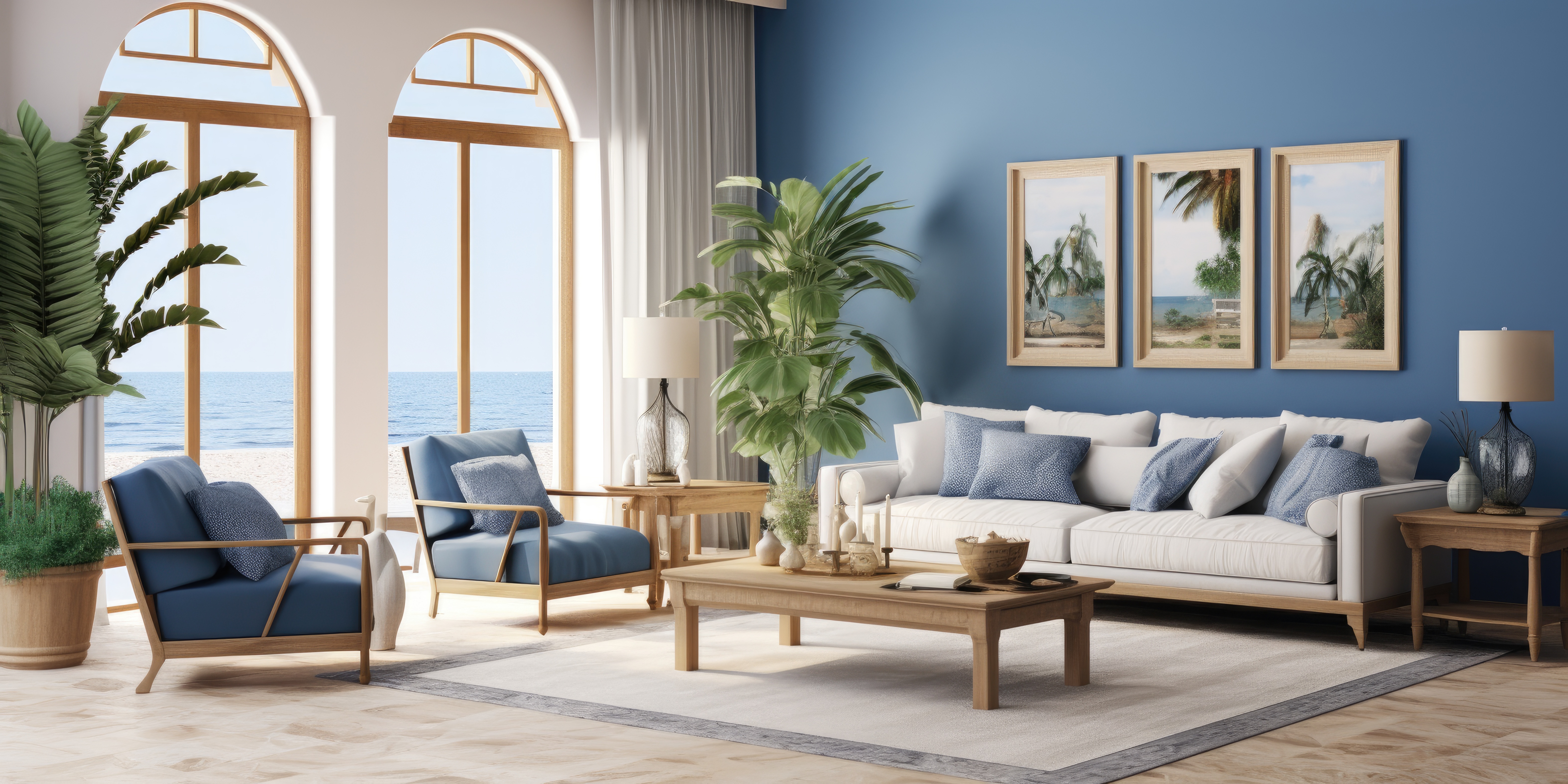
Living in Southwest Florida—whether you’re near the Peace River in Punta Gorda or the sugar-sand beaches of Naples—means inviting a bit of the outdoors in.
Unfortunately, "the outdoors" usually involves sand. While it’s beautiful on the coast, sand is essentially a collection of tiny, jagged quartz crystals. Under the pressure of a footstep, it acts like 80-grit sandpaper on your floor’s finish.
Since 1951, Hessler Floor Covering has been the region's authority on floors that don't just look good on day one, but stay beautiful despite the "sand factor." Choosing a floor for an active Florida lifestyle requires an understanding of Mohs hardness and wear layers.
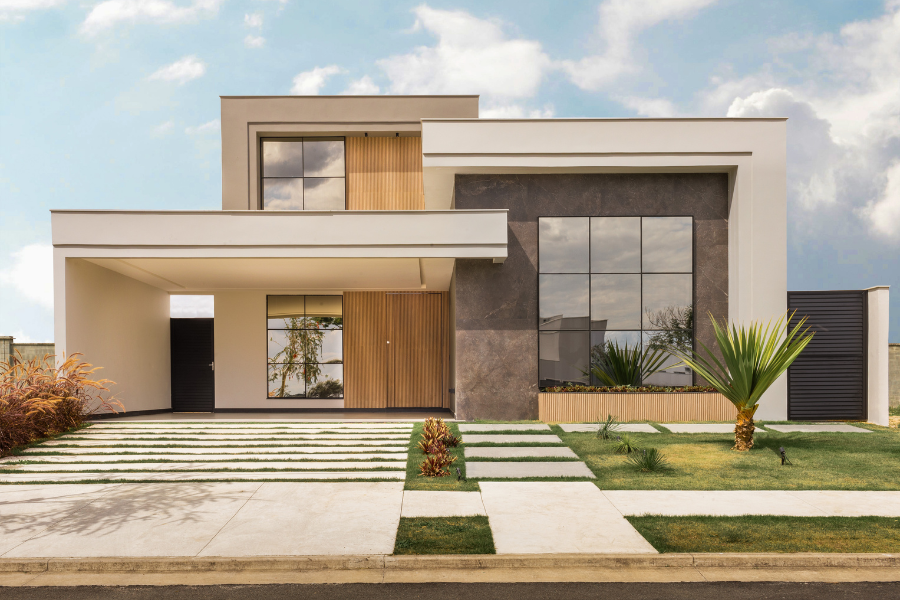
Top 2 Sand-Resistant Flooring Options of 2026
As we look at the best values for 2026, two clear champions have emerged.
Tile Flooring (Glazed Porcelain): The "GOAT" of Durability
When we discuss the "Greatest of All Time" for sand resistance, Glazed Porcelain remains undefeated. While ceramic tile is a fine product, porcelain is in a league of its own due to its composition and firing process.
Dense by Design: Porcelain is fired at temperatures exceeding 2,200°F. This extreme heat creates a tile that is incredibly dense and nearly impervious to moisture and wear.
The Hardness Factor: The glaze on a premium porcelain tile is engineered to be harder than the quartz found in Florida sand. In the flooring world, we look at the Mohs scale of mineral hardness; because the tile surface is harder than the sand being ground into it, the sand simply can't leave a mark.
The "Sure Thing": Since 1951, we’ve recommended porcelain for foyers, mudrooms, and lanais because it is the most stable, scratch-proof surface available. It’s the closest thing to a "forever floor" that a homeowner can buy.
High-End Luxury Vinyl Plank (LVP)
For those who prefer the warmth and look of natural wood but live an active coastal lifestyle, the 2026 generation of Luxury Vinyl Plank has changed the game.
Unlike the "basic" vinyl of a decade ago, this technology allows LVP to maintain its original sheen even in homes with high-energy pets and sandy feet. It provides the "best of both worlds"—the aesthetic of hardwood with the abrasive resistance of a much harder material.
SPC vs WPC for Sand Resistance
SPC (Stone Plastic Composite): The Heavy-Duty Contender
Why it wins: The core is made of a mixture of limestone and stabilizers, creating a dense, rigid, and incredibly hard plank.
The Sand Factor: Because SPC is so dense, it is highly resistant to "telegraphing" and denting. When sand gets trapped under a heavy piece of furniture or is stepped on with force, the SPC core provides a solid foundation that doesn't yield, protecting the integrity of the locking system and the surface.
Best For: High-traffic entryways, "Florida rooms," and homes with large pets.
WPC (Wood Plastic Composite): The Comfort Choice
WPC features a core made with a foaming agent, which makes it thicker and softer underfoot than SPC.
The Trade-off: While WPC is quieter and warmer—making it wonderful for bedrooms—it is slightly more susceptible to denting from heavy impact. In terms of sand, while a high-quality wear layer will protect the look of a WPC floor, the softer core makes it better suited for areas where you aren't tracking in beach grit every hour.
Best For: Bedrooms, second-story condos, and areas where comfort and sound insulation are the primary goals.
Flooring Materials to Reconsider for Sand-Heavy Areas
While we carry a vast selection of all flooring types, we often advise caution with High-Gloss Hardwood or Polished Natural Stone in high-sand areas like mudrooms or foyers.
These finishes are beautiful but act like a mirror; a single scratch from a grain of sand will break the light reflection and be visible from across the room.
Key Considerations for Sand-Prone Homes
While choosing the right material is half the battle, there are two other professional insights we share with our neighbors in Punta Gorda and Cape Coral:
Sheen Selection:
A matte or low-sheen finish is always the wiser choice for sand-prone areas. Even the toughest floor can develop micro-scratches over 20 years; a matte finish hides these imperfections, while a high-gloss floor will highlight them.
Color and Texture:
Choosing a floor with a bit of "movement"—such as a variegated wood grain or a stone-look tile with natural color shifts—is a masterstroke for hiding the inevitable daily dust and sand between cleanings.
Spend More Time at the Beach & Less Time Worrying with New Sand-Friendly Flooring from Hessler Floor Covering
At Hessler, we don't believe in "basic" flooring; we believe in the best value for the Florida lifestyle. To combat the sand factor, we recommend a "defense-in-depth" strategy: choose a hard-surfaced floor from our gallery, and pair it with one of our custom area rugs at every entrance to trap grit before it hits your main living areas.
Still unsure which material is right for your home’s "sand load"?
Visit a Hessler Floor Covering showroom today and let our seasoned specialists show you the latest in abrasion-resistant technology.
Call or visit Hessler Floor Covering today! Request a FREE ESTIMATE to get started.
Our Service Areas: Southwest Florida including Fort Myers, Naples, Bonita Springs, Estero, Punta Gorda, Port Charlotte, and Cape Coral
Punta Gorda, FL Flooring Store
Address: 261 W Marion Ave, Punta Gorda, FL 33950
Phone: (941) 564-0151
Mon-Fri 8AM - 6PM
Sat 9AM - 5PM
Sun 1PM - 5PM
Fort Myers, FL Flooring Store
Address: 12551 S Cleveland Ave, Fort Myers, FL 33907
Phone: (239) 208-5118
Mon-Fri 8AM - 6PM
Sat 9AM - 5PM
Sun 1PM - 5PM
Naples, FL Flooring Store
Address: 6000 Trail Blvd, Naples, FL 34108
Phone: (239) 330-6505
Mon-Fri 8AM - 6PM
Sat 9AM - 5PM
Sun 1PM - 5PM
Sand-Friendly Flooring Frequently Asked Questions
Q: Is "waterproof" vinyl also "sand-proof"?
A: Not necessarily. "Waterproof" refers to the core of the plank (it won't swell if wet). "Sand-resistant" refers to the wear layer on top.
When shopping at Hessler, always ask about the finish technology (like ceramic bead or aluminum oxide) to ensure it can handle the abrasion of our local environment.
Q: Which is better for a home directly on the Gulf: LVP or Tile?
A: If you are steps away from the beach, Glazed Porcelain is our top recommendation due to its sheer hardness. However, if you are a few miles inland and want the comfort of wood, a Rigid Core LVP with Ceramic Bead Technology is a magnificent second choice that offers superior value and durability.
Q: Does a higher "mil" thickness in vinyl mean it's more sand-resistant?
A: The "mil" refers to the thickness of the wear layer, not the total plank. A 20-mil wear layer provides excellent protection, but for sand resistance, the composition of that layer (like a UV-cured urethane or ceramic bead finish) is just as important as the thickness.
Q: Can sand damage my grout?
A: Yes. Over time, abrasive sand can wear down the surface of traditional cement-based grout. This is why we recommend high-performance, sand-free grouts or epoxy-based solutions for homes near the beach, which are more resistant to physical erosion.


